In recent years, the Japanese Pachinko industry has faced a severe Situation. Total Gross Gaming Revenue (GGR) has actually shown a slight recovery and a stabilizing trend over the past three years. However, this recovery is heavily lopsided: while Pachislo (slotted gaming) revenue is on a modest upward trajectory, the Pachinko (steel ball-based gaming) segment continues to suffer from declining profitability.
One of the key drivers behind the stagnation in the Pachinko segment is the soaring cost of machines, which has significantly pressured the profit margins of hall operators. Ultimately, these high capital expenditures (CAPEX) are passed down to the players, leading to lower payout ratios and diminishing player satisfaction—a cycle that has accelerated the decline in the active player base specifically for Pachinko.

In response to the industry-wide challenges, SANKYO, a leading manufacturer, announced a bold new pricing strategy on January 5. Starting in fiscal year 2026, the company plans to set the unit price for its flagship new models (including new IP titles) at 499,000 JPY (excluding tax/tentative). This move is designed to alleviate the financial burden on hall operators while ensuring a diverse gaming experience for fans.
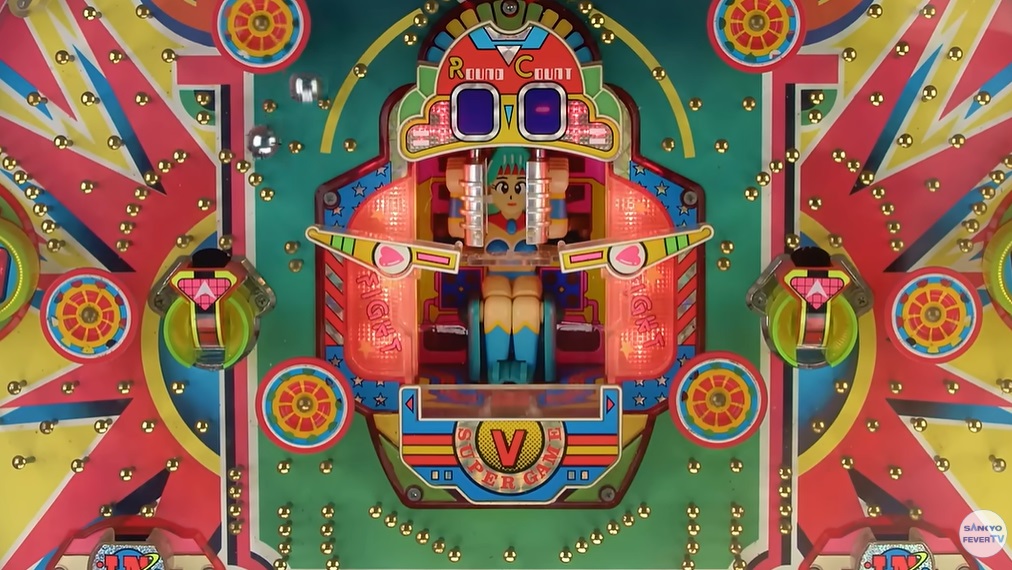
Furthermore, SANKYO will introduce a low-cost rental plan at 20,000 JPY per month (excluding tax/tentative) for its new “Hane-mono” (wing-type) machines scheduled for release this autumn. This initiative is part of the “KUGITAMA” project unveiled by the company last year.
The KUGITAMA project identifies the primary causes of the declining player population as the “over-complexity” of modern machines and the perception that “it costs too much to play.” To counter this, the project aims to re-communicate the fundamental appeal of Pachinko—”Nails and Balls” (Kugitama)—to society. By revitalizing “Hane-mono” machines, which focus on mechanical skill and visible ball movement rather than digital complexity, SANKYO seeks to provide a more accessible and affordable entertainment option for the next generation of players.
Understanding the Structural Risks in the Japanese Market
The “Pre-order” Risk and Scarcity: Unlike international casino markets where operators can observe a machine’s performance (GGR) in other properties before making a large purchase, the Japanese Pachinko industry operates on a “Buy-it-now or miss-out” basis. Due to limited production runs, hall operators must commit to high-priced new titles before they are ever played by the public. This leads to a high failure rate where machines fail to gain player support, resulting in unrecoverable investments and a collapse in resale value on the secondary market.
Rental as a Risk Mitigation Tool: SANKYO’s new 20,000 JPY monthly rental plan is a strategic response to this risk. For the operator, it offers two critical advantages:
- Significant CAPEX reduction: Minimizing the initial financial hit.
- Exit Strategy: Unlike a purchased machine, a rental allows the operator to terminate the contract and return the unit if it fails to attract players, preventing them from being stuck with “dead assets.”
The Absence of Revenue Sharing (Ownership Model): A fundamental difference from the global casino industry is that Japanese gaming machines are, as a rule, purchased outright. Revenue-sharing models (participation games), common in Las Vegas or Macau, effectively do not exist in the Japanese Pachinko market. This means the hall operator bears 100% of the investment risk, making the introduction of a rental model (even without a revenue-share component) a significant shift toward modern risk management.
Strategic Focus on “Hane-mono”: By applying this rental model to the “Hane-mono” category, SANKYO is testing a more sustainable business ecosystem that prioritizes player retention and operator profitability over one-time, high-margin sales.
text by Tsuyoshi Tanaka